Causes, Fixes, and What It Means for Your Plumbing System
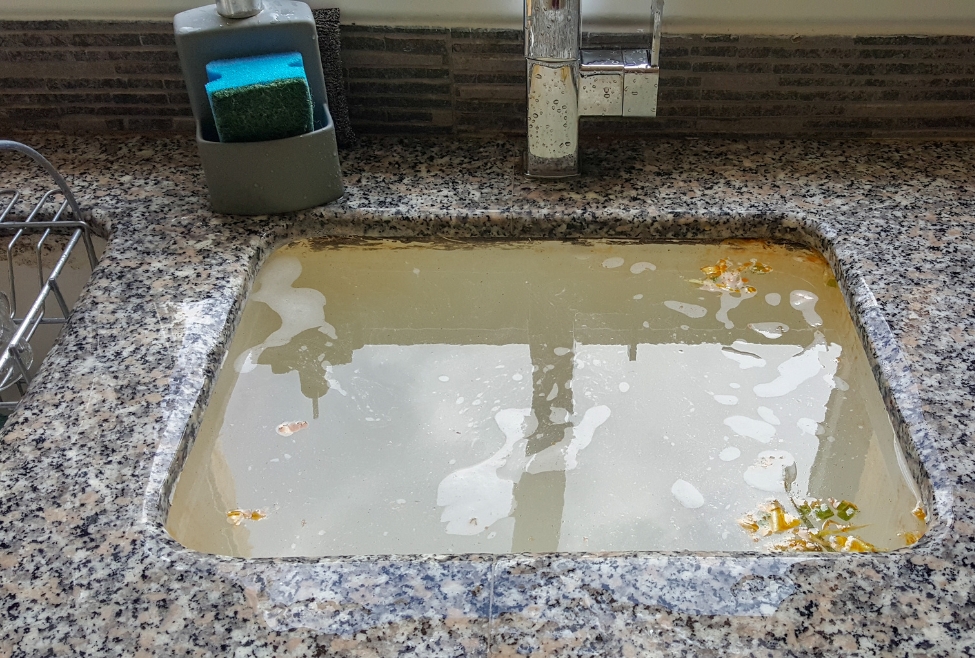
If you’re asking why is my drain slow but not clogged, you’re dealing with one of the most common early-stage plumbing issues. The frustrating part is that everything still technically works—water goes down—but it’s noticeably slower than it should be. That’s usually your plumbing system giving you an early warning sign.
At Neighborhood Plumbing, we see this issue all the time, and in most cases it’s not random. Slow drainage almost always points to buildup, partial restriction, or early-stage pipe problems that haven’t fully developed into a blockage yet.
What a “Slow but Not Clogged” Drain Actually Means
A slow drain means water is still passing through the pipe, but something is narrowing or restricting the flow. Think of it like a partially blocked artery—things still move, just not efficiently.
This is important because it usually means you’re in the early stage of a clog, where intervention is much easier than waiting for a full backup that requires emergency drain cleaning services.
The Most Common Reasons Your Drain Is Slow
1. Gradual Grease and Soap Buildup
In kitchen sinks, grease is one of the biggest contributors. Even small amounts washed down over time can harden inside pipes and narrow the passageway. In bathrooms, soap scum combines with minerals in water to create sticky residue that clings to pipe walls.
This buildup is slow, which is why many people don’t notice it until drainage starts to change.
2. Hair and Organic Debris
Bathroom drains often slow down because of hair, toothpaste, and skin products collecting in the drain trap. Even if you clean the visible drain opening, buildup deeper in the pipe can still restrict flow.
3. Partial Blockages Deeper in the Line
Sometimes the issue isn’t near the fixture at all. A partial blockage further down the line can affect multiple drains in the home. This is where main line drain cleaning becomes relevant instead of a simple sink fix.
4. Early Sewer Line Restrictions
In some cases, the issue isn’t isolated—it’s part of a larger sewer system problem. Tree roots, pipe scaling, or early collapse can restrict flow long before a full backup occurs. This is when sewer line inspection services become important for diagnosis.
5. Venting Issues in the Plumbing System
Plumbing systems rely on air vents to maintain proper pressure. If a vent is blocked or restricted, water drains more slowly and may gurgle or bubble.
Why This Problem Shouldn’t Be Ignored
A slow drain is often the first stage of a bigger issue. While it may seem minor, it can escalate into:
- Full drain clogs
- Sewer backups into sinks or tubs
- Increased pressure in pipes
- Hidden leaks or pipe damage
- Emergency plumbing repair services
The key point: slow drainage is rarely “just how it is”—it usually means something is building up inside the system.
A More Accurate Way to Think About the Problem
Instead of only asking why is my drain slow but not clogged, it helps to reframe it as:
“What is starting to restrict water flow in my plumbing system?”
That shift matters because it turns the issue from a surface symptom into a system-wide clue. In most homes, slow drains are the earliest visible sign of buildup or structural restriction.
How Professionals Diagnose Slow Drains
When plumbers evaluate slow drainage, they typically look at:
- Whether one or multiple drains are affected
- Drain speed compared to normal flow rates
- Signs of gurgling or air displacement
- Presence of grease, scale, or debris buildup
- Condition of the main sewer line using camera inspection
This helps determine whether the issue is local or part of a larger system problem.
When a Slow Drain Becomes a Bigger Concern
A slow drain is more serious when:
- Multiple fixtures are draining slowly at the same time
- The problem is getting worse over days or weeks
- You notice foul odors from drains
- Toilets or tubs are also affected
- You hear bubbling sounds when water drains
These signs often indicate deeper restrictions that won’t resolve with surface-level cleaning.
How to Keep Drains Flowing Properly
Preventing slow drains is usually simpler than fixing them:
- Avoid pouring grease or oil down kitchen drains
- Use drain strainers to catch hair and debris
- Run hot water periodically to reduce buildup
- Schedule occasional professional drain maintenance services
- Address early slowdowns before they worsen
Small habits can significantly reduce long-term plumbing issues.
Neighborhood Plumbing provides drain and plumbing support in Salt Lake City, Sandy, Ogden, Layton, Bountiful, and Draper, UT.
Understanding the Early Signs of Drain Problems
So, why is my drain slow but not clogged? In most cases, it’s not a random issue—it’s an early signal of buildup, restriction, or developing blockage somewhere in your plumbing system. The important takeaway is that slow drainage is often the “warning stage” before a full clog or backup occurs.
Addressing it early is what prevents costly emergencies later.
If your drains are slowing down or showing early signs of restriction, Neighborhood Plumbing can help identify whether it’s a simple buildup issue or a deeper plumbing or sewer line concern before it turns into a major blockage. Contact us today!
FAQs
What is the best solution for a slow drain?
The best solution depends on what’s causing the restriction. In many cases, slow drains are caused by grease buildup, soap scum, hair accumulation, or early-stage pipe blockage. Safe initial steps include flushing with hot water, using a drain strainer, and avoiding chemical drain cleaners that can damage pipes. If the issue persists, professional drain cleaning services using mechanical augers or hydro jetting are often the most effective long-term solution to fully restore flow.
What does a slow drain mean?
A slow drain typically means there is a partial restriction in the plumbing system. Water is still able to pass through, but something is narrowing the pipe’s internal diameter. This can be caused by buildup inside the drain line, early-stage clogs, or even developing sewer line issues. It is often an early warning sign that the system may soon require plumbing maintenance or drain line cleaning if not addressed.
Why is my drain taking so long to drain?
If your drain is taking longer than normal, it usually indicates that water flow is being restricted somewhere in the line. Common causes include grease buildup in kitchen drains, hair and debris in bathroom pipes, mineral scale from hard water, or partial blockages deeper in the system. In some cases, the issue may be further down the line in the main sewer system, which can require a sewer inspection service to properly diagnose.
Should I call a plumber for a slow drain?
Yes, especially if the slow drainage continues or affects multiple fixtures. While a single slow sink may be caused by minor buildup, widespread slow drainage often points to a larger plumbing or sewer issue. Calling a plumber early can prevent full blockages, backups, and more costly plumbing repair services. It also allows professionals to identify whether the issue is localized or part of a deeper system restriction.
How to tell if the main sewer line is clogged?
A main sewer line clog usually affects multiple drains in the home at once. Signs include toilets bubbling or backing up, showers draining slowly while other fixtures are also affected, gurgling sounds from drains, and sewage odors around the property. If several plumbing fixtures are impacted simultaneously, it often indicates a main line issue that requires sewer line inspection and cleaning services to locate and clear the blockage.
If your drains are slowing down or showing early warning signs of a blockage, Neighborhood Plumbing can help diagnose whether it’s a simple buildup issue or a deeper sewer or plumbing problem before it becomes a costly repair.