Understanding Smelly Sink Drains
A foul-smelling sink drain is more than just an annoyance—it can indicate underlying issues in your plumbing system, such as food buildup, grease accumulation, or bacterial growth. Knowing how to clean smelly sink drain properly can prevent recurring odors and protect your home’s plumbing. At Neighborhood Plumbing, we aim to provide practical guidance that homeowners can use immediately while explaining when professional help may be necessary.
Common Causes of Smelly Sink Drains
Understanding the cause of odors is key to eliminating them effectively:
-
Food debris accumulation: Tiny food particles can get trapped in the drain or P-trap, leading to bacteria buildup.
-
Grease and oil coating pipes: Oils and fats solidify in the pipes, trapping waste and creating odors over time.
-
Mold and mildew growth: Moisture in pipes can support mold growth, which contributes to a musty smell.
-
Clogged or slow drains: Even minor clogs can lead to stagnant water, which generates unpleasant smells.
-
Old or damaged plumbing: Corroded pipes or deteriorated seals can also harbor odor-causing bacteria.
Step-by-Step Guide: How to Clean Smelly Sink Drain
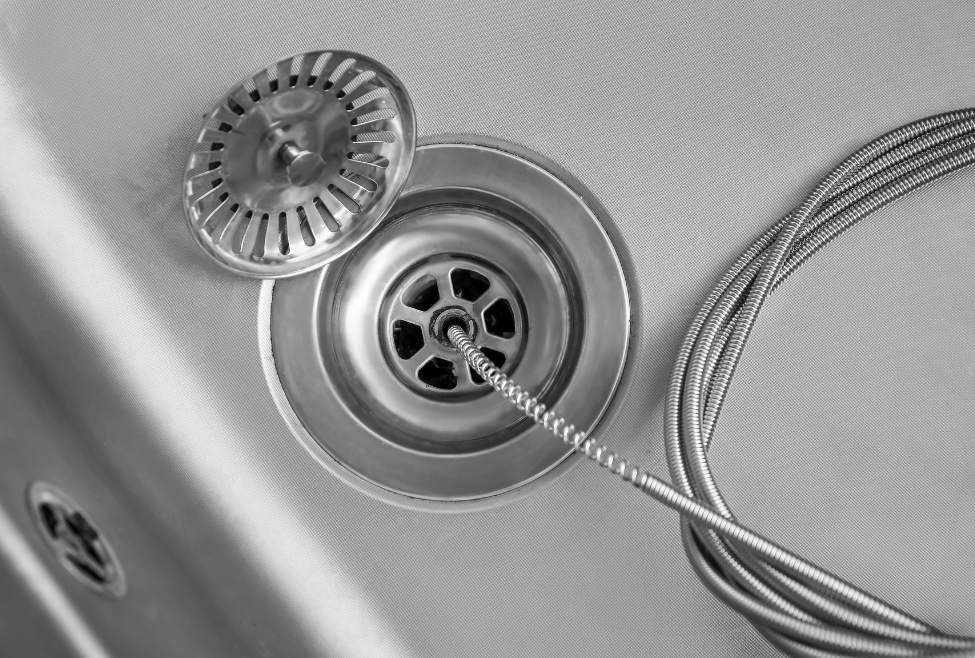
- Clear visible debris: Remove any food particles, soap buildup, or hair from the sink and drain opening.
- Flush with hot water: Running hot water helps loosen grease and minor debris.
- Natural cleaning agents: Pour a mixture of baking soda and vinegar down the drain. Let it foam for 15–20 minutes to break down grime before flushing with hot water.
- Clean the P-trap: Place a bucket under the U-shaped pipe, unscrew it, and remove trapped debris. Clean thoroughly before reassembling.
- Disinfect the drain: Use a mild bleach solution or an enzymatic drain cleaner to kill bacteria and prevent odors.
- Routine maintenance: Regularly flush drains with hot water and use drain strainers to prevent buildup.
Advanced Tips for Persistent Odors
Sometimes, odors return even after cleaning. Consider these additional strategies:
-
Inspect vent pipes: Blocked plumbing vents can cause sewer gases to back up into your drains.
-
Check dishwasher and garbage disposal connections: Food particles can accumulate in these appliances, producing odors that travel to the sink.
-
Use enzymatic cleaners monthly: Enzyme-based cleaners break down organic waste in pipes without harsh chemicals.
-
Install water softeners or filters: Hard water can contribute to mineral buildup, which traps debris and bacteria in your pipes.
Preventive Habits for a Fresh-Smelling Sink
-
Avoid pouring grease, oil, or coffee grounds down the drain.
-
Use a drain strainer to catch small food particles.
-
Rinse drains with hot water weekly to prevent buildup.
-
Schedule professional drain cleaning and inspections for long-term odor prevention.
Keep Your Drains Fresh with Expert Help
Neighborhood Plumbing provides expert guidance and professional services in Salt Lake City, Sandy, Ogden, Layton, Draper, and Bountiful, UT. Our goal is to ensure your drains remain clean, odor-free, and fully functional.
Contact Neighborhood Plumbing today if you experience persistent drain odors or need professional assistance with your plumbing system.
FAQs
Why does my drain smell bad but there’s no blockage?
A drain can emit foul odors even without a blockage due to trapped food particles, grease buildup, or stagnant water in the P-trap. Bacteria growth and mold can also create persistent sewer smells. Regular cleaning and proper drain maintenance can prevent odors and keep your plumbing hygienic.
What can I pour down my drain to get rid of sewer smell?
To neutralize sewer odors, you can use a mixture of warm water with mild dish soap or a drain-safe enzymatic cleaner. Enzymatic drain cleaners break down organic buildup without harming pipes. Avoid harsh chemical cleaners that can corrode pipes and worsen plumbing issues.
How do you clean a drain that smells like rotten eggs?
Rotten egg smells usually indicate hydrogen sulfide gas from bacterial growth or decaying organic matter in the drain. To clean it, remove the drain stopper, flush the drain with hot water, scrub with a soft brush, and treat with a safe enzymatic cleaner. This helps remove buildup and eliminate odors without damaging pipes.
Why should you never use baking soda and vinegar to unclog a drain?
While baking soda and vinegar can temporarily fizz and clean minor residue, they are not effective for serious clogs. The reaction produces minimal heat and pressure, leaving grease or debris in the pipes. Overuse can also damage older plumbing and worsen slow drains.
What not to pour down a drain?
Avoid pouring grease, oil, coffee grounds, eggshells, large food particles, or harsh chemicals like bleach and lye down your drains. These substances can cause clogs, pipe corrosion, and lingering odors, leading to more extensive plumbing problems over time.