A Guide to Protecting Your Plumbing
If you’ve ever stood at the sink wondering what should you never pour down a drain, you’re already asking the right question. Most drain and sewer problems don’t happen suddenly—they build up slowly from everyday habits that seem harmless at first. Over time, those habits can lead to clogged pipes, sewer backups, and expensive plumbing repairs.
At Neighborhood Plumbing, we often see the same pattern: small disposal mistakes turn into major drain issues. This guide focuses on what actually causes problems, why it happens inside your plumbing system, and how to avoid it in a practical way.
Why Drains Are More Sensitive Than They Seem
Your home’s drain system isn’t designed to handle everything that goes down it. It’s built for water, human waste, and minimal biodegradable residue. Anything outside of that can stick to pipe walls, harden, or combine with other materials to form blockages.
Even if something looks like a liquid when it goes down the drain, it doesn’t always stay that way once it cools or travels through your plumbing lines. That’s where many long-term problems start.
What You Should Never Pour Down a Drain (and Why It Matters)
Here’s a deeper breakdown of common household items that create plumbing issues—and what actually happens inside your pipes:
Cooking Grease, Oil, and Fat
Grease is one of the biggest causes of clogged drains. While it flows easily when hot, it solidifies as it cools and sticks to pipe walls. Over time, it traps food particles and builds thick blockages that restrict water flow.
Coffee Grounds and Food Sediment
Coffee grounds don’t dissolve in water—they clump together and settle in low points of your plumbing. Combined with grease or soap residue, they contribute to stubborn buildup that often requires professional drain cleaning services.
“Flushable” Wipes and Hygiene Products
Despite the label, most wipes do not break down like toilet paper. They accumulate in sewer lines and are a leading cause of toilet clogs and sewer backups. Feminine hygiene products and paper towels create similar issues.
Paint, Chemicals, and Solvents
These substances don’t just harm your pipes—they can also damage wastewater systems. They may corrode plumbing materials and should always be disposed of through proper hazardous waste channels.
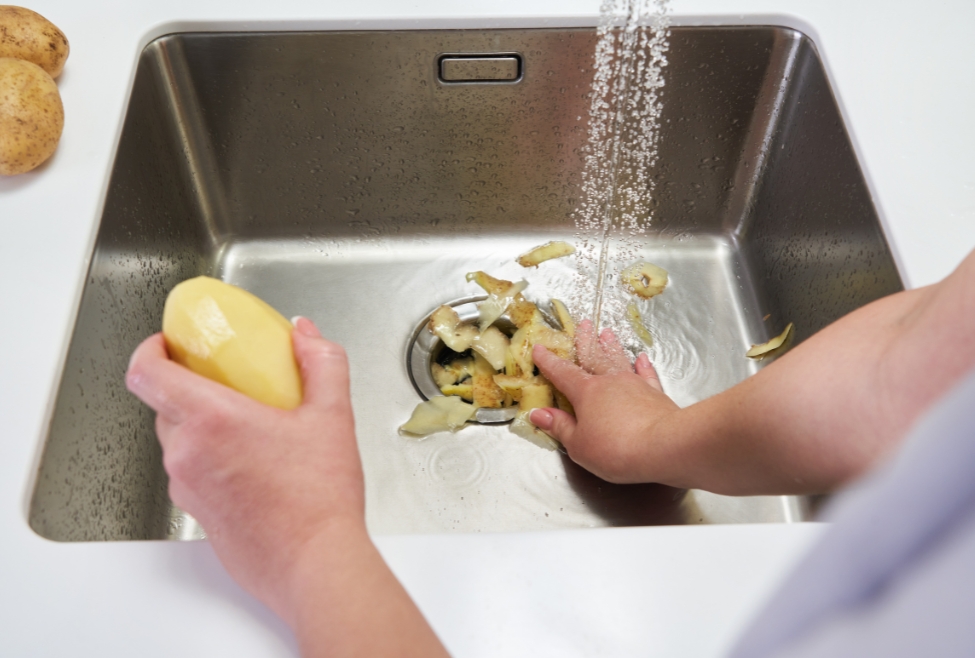
Flour, Rice, Pasta, and Starches
Starchy foods expand when exposed to water. In your pipes, they continue absorbing moisture and form thick paste-like blockages that slow drainage and contribute to recurring clogs.
Eggshells and Hard Food Waste
Eggshell membranes and fine particles can stick to grease buildup inside pipes. While small individually, they contribute to long-term accumulation inside kitchen drains.
What Actually Happens Inside Your Pipes Over Time
Most homeowners don’t see what’s happening inside their plumbing system, but here’s what typically occurs when the wrong materials go down the drain:
- Grease coats pipe walls and hardens
- Food particles stick to that buildup
- Water flow becomes restricted
- Pressure builds inside the line
- Eventually, a full blockage forms
This process is gradual, which is why many people only notice a problem once they already have slow drains, odors, or backups.
Early Warning Signs of Drain Trouble
Even before a full blockage happens, your plumbing system usually gives signals:
- Water draining slower than normal
- Gurgling sounds from sinks or toilets
- Foul odors coming from drains
- Water backing up in other fixtures when using one sink
- Frequent need for plunging or DIY clearing
These signs often indicate a developing blockage in your main drain or sewer line—not just a surface-level clog.
Better Habits That Prevent Drain Problems
Preventing drain issues is mostly about consistency. A few simple habits can make a big difference:
- Dispose of grease in a sealed container instead of pouring it down the sink
- Use sink strainers to catch food particles
- Run hot water after light kitchen use to help move residue through pipes
- Avoid flushing anything besides toilet paper
- Schedule periodic drain cleaning services to remove buildup before it becomes a blockage
These small steps reduce long-term strain on your plumbing system and help prevent emergency repairs.
When a Drain Problem Is More Than Just a Clog
Some drain issues go deeper than what a plunger or store-bought solution can fix. If multiple drains in your home are slow or backing up at the same time, the issue may be in your main sewer line rather than a single fixture.
In these cases, tools like camera inspections or hydro jetting are often used to locate and remove blockages safely without damaging pipes.
Neighborhood Plumbing regularly sees cases where everyday disposal habits eventually lead to full sewer line blockages that require more advanced solutions.
Understanding What Should Never Go Down a Drain
So, what should you never pour down a drain? The simplest answer is anything that can solidify, expand, stick, or build up inside your pipes. While individual items may seem harmless, the combination of everyday waste is what leads to long-term plumbing problems.
The good news is that most drain issues are preventable with awareness and small changes in daily habits. Understanding how your plumbing system works is the first step toward avoiding costly repairs and keeping everything flowing smoothly.
Neighborhood Plumbing provides plumbing and drain support in Salt Lake City, Sandy, Ogden, Layton, Bountiful, and Draper, UT.
If you’re dealing with slow drains, recurring clogs, or sewer odors, Neighborhood Plumbing provides professional drain cleaning, sewer inspection, and plumbing repair services to help identify the cause and restore proper flow before it turns into a larger issue.
FAQs
Does Dawn really unclog drains?
Dish soap like Dawn can help loosen light grease buildup in kitchen sinks by breaking down oils and allowing them to move through the pipe more easily. However, it does not fully unclog drains or remove hardened grease, food blockages, or sewer line buildup. It may provide temporary improvement for slow drains, but deeper drain clogs typically require professional drain cleaning services to fully restore flow.
Do baking soda and vinegar actually work to clean drains?
Baking soda and vinegar can create a fizzing reaction that may help with mild odors or very minor surface buildup inside a drain. However, it does not have enough force or chemical strength to remove stubborn grease, hair, or sewer line blockages. For ongoing slow drainage or recurring clogs, this method is more of a deodorizer than a true drain cleaning solution.
How do I unclog the main sewer line myself?
Unclogging a main sewer line is not typically a safe or effective DIY task. The main line is deeper in the system and often requires specialized tools like sewer cameras or hydro jetting equipment. Attempting to clear it without proper training can worsen the blockage or damage pipes. If multiple drains in the home are backing up, it usually indicates a main sewer line clog that requires professional inspection and cleaning.
Is drain cleaner safe for galvanized pipes?
Most chemical drain cleaners are not recommended for galvanized pipes. These cleaners contain harsh chemicals that can accelerate corrosion, weaken pipe walls, and lead to leaks over time. Older plumbing systems with galvanized steel are especially vulnerable. In many cases, repeated chemical use can increase the likelihood of needing pipe repair or replacement services.
What do plumbers use instead of Drano?
Professional plumbers typically avoid chemical cleaners like Drano and instead use mechanical or high-pressure methods. Common solutions include drain snakes (augers), hydro jetting, and camera inspections to locate and remove blockages safely. These methods are more effective for removing grease buildup, root intrusion, and deep drain line clogs without damaging the plumbing system.
For persistent clogs, sewer backups, or slow drains that keep returning, professional drain cleaning, sewer inspection, and plumbing repair services ensure the problem is fully identified and resolved at the source.