Choosing the Right Water Filtration System for Your Home
Clean water is essential for a healthy life, yet many homeowners in areas like Salt Lake City, Ogden, and Sandy deal with hard water or contaminants in their tap supply. This leads to a common question: what is the most effective water filtration method? Understanding your options—and how they impact your water quality—can help you make the best decision for your home and family.
What Is the Most Effective Water Filtration Method?
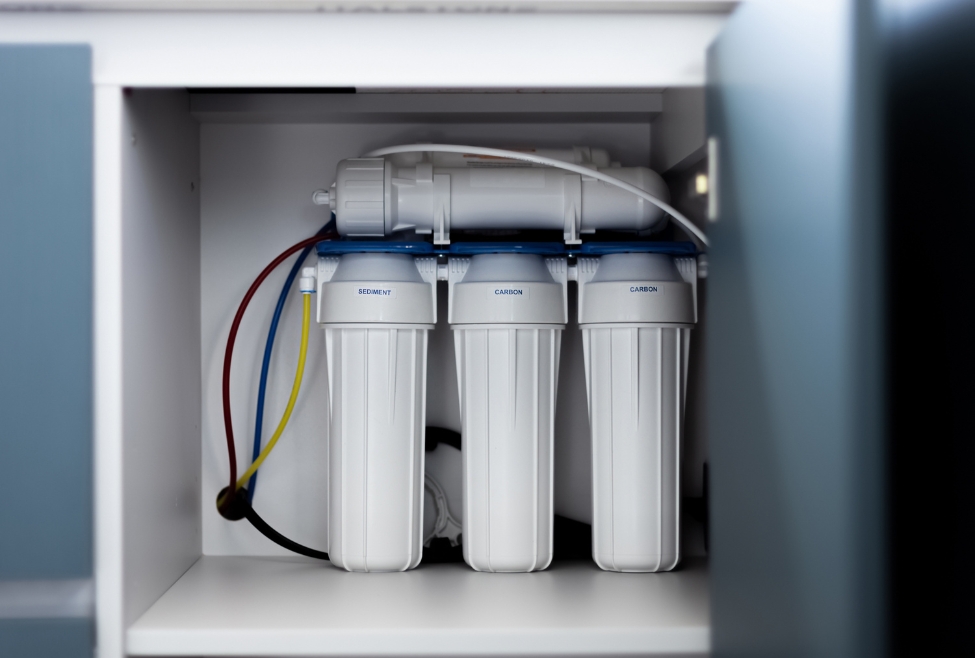
While there are several options available, reverse osmosis is widely regarded as one of the most effective water filtration methods. It works by forcing water through a semi-permeable membrane that removes impurities like lead, chlorine, fluoride, bacteria, and more. It’s highly efficient for households concerned about both taste and safety.
However, other systems like carbon filters, UV purification, and whole-home water softeners also serve specific needs. For example, if your issue is hard water damaging your plumbing or appliances, a water softener system might be the better solution.
Comparing Common Water Filtration Methods
Each filtration method has its strengths:
- Reverse Osmosis (RO): Best for removing dissolved salts, heavy metals, and most contaminants.
- Activated Carbon Filters: Effective for improving taste and removing chlorine, pesticides, and some VOCs.
- UV Filters: Excellent for killing bacteria and viruses but don’t remove chemicals or sediment.
- Water Softeners: Great for reducing mineral buildup caused by hard water.
If you’re struggling with hard water or scale buildup, a softener may be more effective than filtration alone. We explain this in more depth in our guide on how water softeners work.
What to Consider Before Choosing a System
Before deciding on a water filtration system, consider:
- Your local water quality: If you live in Draper, Layton, or Bountiful, your water might have higher mineral content.
- What you want to filter out: Some systems target specific contaminants.
- Household size and usage: Larger families might benefit more from whole-home solutions.
Need help figuring this out? A professional inspection from a licensed plumber can pinpoint the best solution based on your current setup and water quality.
Why Professional Installation Matters
Improper installation can lead to leaks, inefficiency, or worse—system failure. That’s why working with an experienced company like Neighborhood Plumbing ensures your system runs properly from day one.
We offer water filtration and softening solutions in Clearfield, Syracuse, Kaysville, Brigham City, Farmington, and North Ogden. Our licensed plumbers understand the local water challenges and can recommend systems tailored to your specific needs.
Making the Best Choice for Clean, Safe Water
So, what is the most effective water filtration method? The answer depends on your water source, your health concerns, and your plumbing system. For comprehensive protection, a combination of methods—like a reverse osmosis system paired with a water softener—might be your best bet.
Need cleaner, safer water? Neighborhood Plumbing is here to help with expert water filtration and softener installation services. Contact us today to schedule an in-home water quality assessment and get personalized recommendations for your home.
FAQs
What is the downside of water purifiers?
Water purifiers, especially high-end systems like reverse osmosis, can be highly effective—but they do come with a few downsides. For one, they often waste some water during the purification process. Additionally, some systems remove beneficial minerals along with contaminants, which may affect taste or mineral intake. Installation and maintenance costs can also be higher than with simpler water filters. It’s important to choose a system that aligns with your specific water quality needs.
Which is better, a water purifier or a filter?
It depends on what you’re trying to remove from your water. Water purifiers—like reverse osmosis or UV systems—go beyond standard filtration by eliminating bacteria, viruses, and heavy metals. Traditional water filters, such as activated carbon filters, are more focused on improving taste and removing chlorine, sediment, and some chemicals. If you’re dealing with harmful contaminants, a purifier is likely the better choice. For general use and taste improvement, a filter may be sufficient.
How much should a home water filtration system cost?
The cost of a home water filtration system can vary widely depending on the type and size of the system. Basic under-sink carbon filters can start at around $100–$300, while whole-house systems and reverse osmosis units can range from $600 to $3,000 or more, including professional installation. Factors like your water quality, the number of contaminants, and whether you need a system for well water or city water will all impact the final price.
Which water filter removes the most toxins?
Reverse osmosis filters are known for removing the most toxins from drinking water. These systems can eliminate up to 99% of contaminants, including lead, arsenic, nitrates, PFAS, chlorine, fluoride, and bacteria. They’re often recommended for homes with serious water quality concerns. When combined with a carbon pre-filter, reverse osmosis offers some of the highest levels of protection available.
What is the best home water purification method?
The best home water purification method depends on your local water conditions and goals. For most households, reverse osmosis is the top choice due to its ability to remove a wide range of contaminants. However, combining systems—such as a reverse osmosis unit for drinking water and a water softener for appliances—can offer the most complete solution. A water quality test is the best way to determine the right approach for your home.
Need help choosing the right water filtration system? Neighborhood Plumbing is here to help you find the most effective solution for your home’s water quality. Schedule a consultation today and take the first step toward cleaner, safer water.