Understanding Water Filtration
Clean, safe water is essential for health, cooking, and daily life. Many homeowners don’t realize that even municipal water can contain impurities such as chlorine, sediment, heavy metals, and microorganisms. Effective water filtration helps protect your family, improve water taste, and extend the life of your plumbing and appliances.
How Water Filtration Systems Work
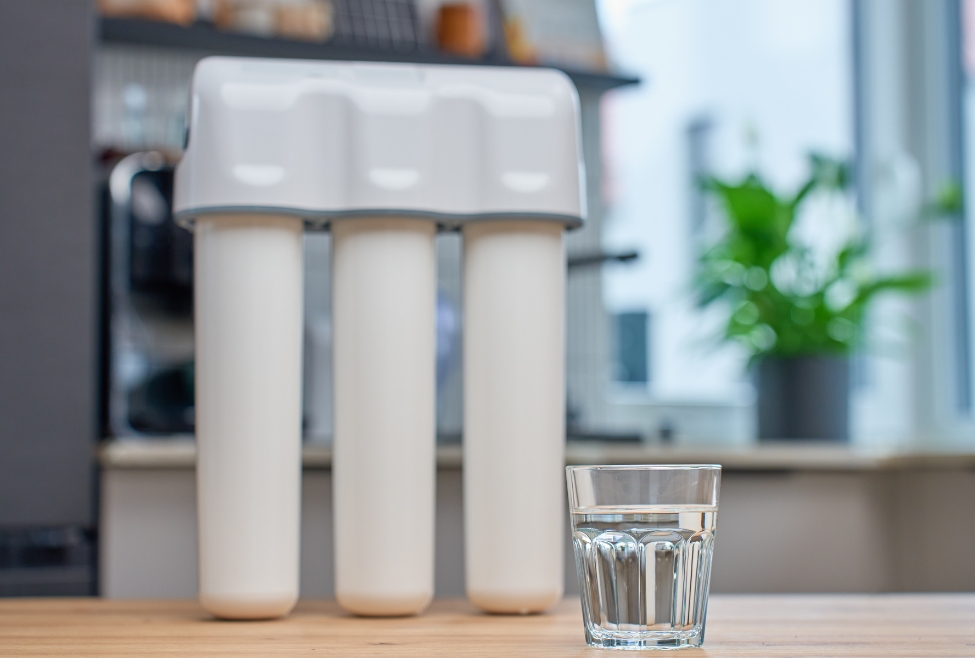
Water filtration systems work by removing unwanted particles and contaminants from your water. Common filtration methods include:
- Activated carbon filters – Reduce chlorine, odor, and some chemicals.
- Reverse osmosis systems – Remove dissolved solids, heavy metals, and other impurities.
- Sediment filters – Capture dirt, rust, and other particles.
- UV water filters – Kill bacteria and viruses for safer drinking water.
Each method targets specific types of contaminants, so understanding your water quality is essential for choosing the right system. Professional testing can pinpoint the exact impurities in your water, ensuring you install the most effective solution.
Signs You Might Need a Water Filtration System
Even if your water looks clear, certain issues may indicate the need for a water filtration system:
- Foul taste or unusual odor
- Cloudy or discolored water
- Mineral buildup on faucets or appliances
- Skin irritation or dryness after showers
- Frequent plumbing problems caused by scale or sediment
Addressing these issues with proper filtration can save money on appliance repairs and improve your daily quality of life.
Benefits of Water Filtration for Your Home
Installing a reliable water filtration system provides multiple benefits:
- Healthier water – Reduces contaminants that may cause illness.
- Better-tasting water – Removes chlorine and odors for refreshing drinking water.
- Longer appliance life – Prevents mineral buildup in water heaters, dishwashers, and washing machines.
- Improved skin and hair – Softened water reduces dryness caused by minerals.
- Environmental impact – Reduces reliance on bottled water and single-use plastics.
Choosing the Right Water Filtration System
Selecting a system depends on your household needs and water source. Consider these factors:
- Water source – Well water vs municipal water may have different contaminants.
- Household size – Larger families require systems with higher capacity.
- Specific concerns – Hard water, lead, or microbial contamination.
For example, whole-house water filtration systems provide comprehensive protection for every tap, while point-of-use filters like under-sink or countertop systems focus on drinking and cooking water.
Maintenance Tips for Water Filtration Systems
Even the best water filtration systems require maintenance:
- Replace filters according to manufacturer guidelines.
- Inspect the system for leaks or cracks.
- Schedule professional checkups annually.
- Keep a record of filter changes to maintain optimal performance.
Proper maintenance ensures that your water stays clean, safe, and tasting great.
Get Clean, Safe Water Today
Neighborhood Plumbing provides expert water filtration installation and maintenance in Salt Lake City, Sandy, Ogden, Layton, Bountiful, and Draper, UT. Our team helps you select, install, and maintain the right system for your home.
Protect your family and enjoy clean, safe water every day with professional water filtration solutions from Neighborhood Plumbing. Schedule a consultation to test your water and find the right system for your home.
FAQs
What is the most effective water filtration method?
The most effective water filtration method depends on the contaminants you want to remove. Reverse osmosis systems are highly effective at removing heavy metals, chemicals, and impurities, while activated carbon filters are great for chlorine, odors, and organic compounds. Combining multiple filtration methods often provides the best results for clean, safe drinking water.
What is the best drinking water filtration system for home?
The best drinking water filtration system for home often balances efficiency, maintenance, and water quality. Systems like reverse osmosis, under-sink filters, and whole-house water filtration units are popular because they remove sediments, chlorine, heavy metals, and bacteria, ensuring your water is clean for cooking, drinking, and bathing.
What is the healthiest type of water filter?
The healthiest water filter is one that removes harmful contaminants while retaining essential minerals. Reverse osmosis with remineralization, activated carbon, and ceramic filters are excellent options, providing safe, mineral-rich water without harmful chemicals or toxins.
Which water filter removes the most toxins?
Filters that combine reverse osmosis with activated carbon typically remove the most toxins, including lead, arsenic, pesticides, and chlorine. Whole-house filtration systems can also help reduce contaminants throughout your plumbing, improving overall water quality in your home.
What are the 4 types of water filtration?
The four main types of water filtration include:
- Activated Carbon Filters – remove chlorine, odors, and organic compounds.
- Reverse Osmosis Systems – eliminate heavy metals, chemicals, and contaminants.
- Ceramic Filters – capture bacteria and sediments.
- UV Filters – disinfect water by killing bacteria and viruses.
Choosing the right combination ensures cleaner, safer water for your family.