Understanding Sewer Line Collapse Costs
A collapsed sewer line is one of those plumbing problems that can go from “minor inconvenience” to “major emergency” very quickly. If you’re researching how much does it cost to repair a collapsed sewer line, you’re likely already noticing warning signs like sewage backups, multiple slow drains, or foul odors around your property.
At Neighborhood Plumbing, we often help homeowners understand not just the price, but why costs vary so widely and what options actually make sense for their situation. This guide focuses on real-world pricing factors, repair methods, and how to make a smart decision without overpaying.
What a Collapsed Sewer Line Actually Means
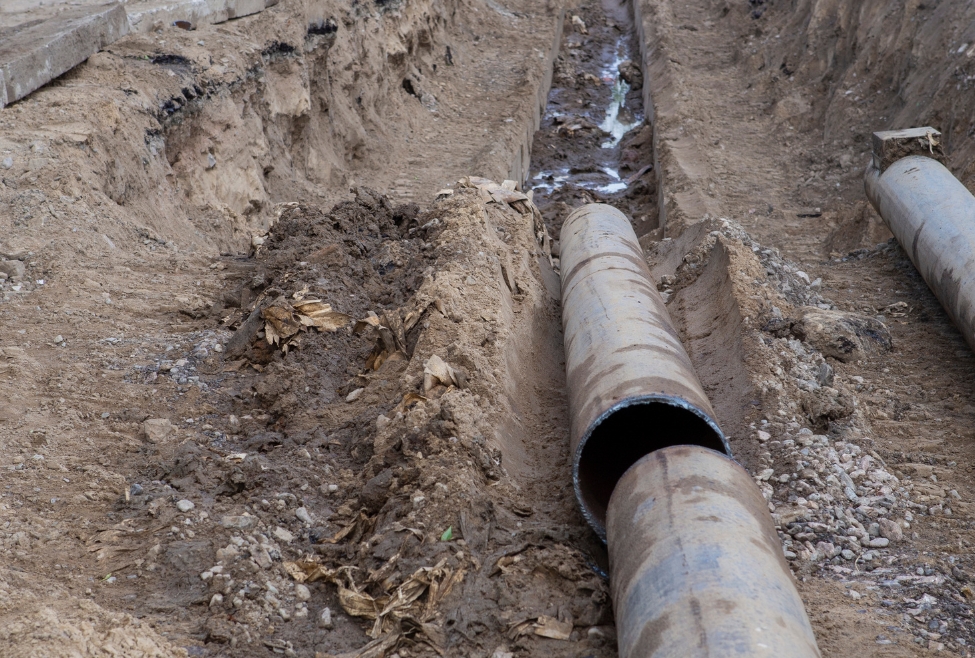
A collapsed sewer line isn’t just a clog—it’s a structural failure in the pipe itself. This means part of the pipe has cracked, caved in, or separated completely, preventing proper wastewater flow.
Unlike a simple blockage that can be cleared with drain cleaning services, a collapse usually requires excavation or trenchless repair methods to restore function.
So, How Much Does It Cost to Repair a Collapsed Sewer Line?
The cost depends heavily on severity and access, but here are realistic ranges homeowners typically see:
- Minor localized repair: $1,500 – $4,000
- Partial sewer line replacement: $3,000 – $8,000
- Full sewer line replacement: $8,000 – $20,000+
These numbers can shift based on depth, material type, and whether trenchless technology is used.
The Biggest Factors That Affect Sewer Repair Cost
1. Location of the Damage
If the collapsed section is under a yard, driveway, or foundation, excavation becomes more complex and expensive.
2. Length of Pipe Affected
A small isolated break costs significantly less than widespread deterioration.
3. Type of Repair Method
Modern sewer repair services include trenchless options that reduce digging but may still require specialized equipment.
4. Pipe Material and Age
Older materials like clay, cast iron, or Orangeburg pipe tend to fail more frequently and are more costly to restore.
5. Soil Conditions
Shifting soil, root-heavy areas, or unstable ground can increase labor and time requirements.
Better Question: Repair or Replace?
Instead of only asking how much does it cost to repair a collapsed sewer line, it helps to also ask whether repair is even the best option.
Repair makes sense when:
- Damage is limited to one section
- The rest of the line is in good condition
- The pipe is relatively newer
Replacement makes more sense when:
- Multiple collapses exist
- Pipes are older and deteriorating
- Root intrusion is widespread
- Recurring sewer backups are happening
A full sewer inspection service is usually the first step in determining this.
Warning Signs You May Be Facing a Collapsed Sewer Line
Before costs are even discussed, identifying the issue early can save thousands. Common signs include:
- Multiple drains backing up at once
- Toilets bubbling or gurgling
- Strong sewage odors indoors or outdoors
- Slow drainage across the entire home
- Wet or sunken areas in the yard
These symptoms usually indicate a deeper issue than a simple clog.
A More Practical Cost Perspective (What Homeowners Often Miss)
Most homeowners focus only on upfront repair cost, but long-term value matters more.
A lower-cost patch repair may seem appealing, but if the pipe is aging or compromised, you may end up paying again within a short period. On the other hand, a full replacement is more expensive upfront but can eliminate repeated plumbing repair services and emergency calls.
This is why professionals often evaluate:
- Pipe condition
- Soil stability
- Root intrusion risk
- Future failure probability
Repair Methods That Impact Price
Traditional Excavation
- Involves digging to access and replace damaged pipe
- More disruptive but sometimes necessary
Trenchless Repair (Pipe Lining or Bursting)
- Less surface disruption
- Can be faster in certain conditions
- Not suitable for every collapse scenario
Each method directly impacts the total cost and timeline of the project.
Why Sewer Line Problems Get Expensive Quickly
Sewer line issues rarely stay small. When left untreated:
- Cracks expand into full collapses
- Wastewater can damage soil and foundations
- Tree roots continue growing into pipe openings
- Emergency repairs become unavoidable
What starts as a manageable repair can escalate into full system replacement if delayed.
How to Reduce Long-Term Sewer Repair Costs
While you can’t prevent every failure, you can reduce risk:
- Schedule periodic sewer inspections
- Avoid flushing wipes or grease
- Address slow drains early
- Keep large tree roots away from sewer lines
- Maintain routine plumbing maintenance services
Preventative care is far less expensive than emergency excavation.
Neighborhood Plumbing provides sewer and plumbing services in Salt Lake City, Sandy, Ogden, Layton, Bountiful, and Draper, UT.
How Much Does It Cost to Repair a Collapsed Sewer Line?
So, how much does it cost to repair a collapsed sewer line? The honest answer is that it depends on severity, depth, and repair method—but most homeowners fall somewhere between a few thousand dollars for localized repair and significantly more for full replacement.
The most important takeaway is that early diagnosis almost always reduces cost and prevents property damage. Understanding whether you need a simple repair or a full replacement is what ultimately determines the real price—not just the initial quote.
If you’re noticing signs of a possible sewer line issue or want clarity before damage worsens, Neighborhood Plumbing provides detailed sewer inspections and expert guidance on whether repair or replacement is the most cost-effective solution for your home.
FAQs
Is sewer repair covered by insurance?
Sewer repair coverage depends on your homeowner’s insurance policy. In many cases, standard policies do not automatically cover sewer line damage, especially if it’s caused by wear and tear, aging pipes, or gradual deterioration. However, some policies may cover sudden and accidental damage, such as collapse from ground shifting or unexpected external force. Coverage can also sometimes be added through optional sewer or service line endorsements. It’s important to review your policy closely, especially when dealing with costly sewer line replacement or trenchless sewer repair services.
Can you fix a sewer line yourself?
In most cases, no. A collapsed sewer line is a structural plumbing failure, not a simple clog. DIY solutions like drain cleaners or snaking tools will not fix broken or collapsed pipes. Attempting to repair it yourself can worsen the damage, cause sewage exposure, and lead to more expensive plumbing repair services later. Professional inspection with sewer camera equipment is typically required to determine the exact location and severity of the collapse.
Is it worth repairing a sewer line?
It depends on the condition of the system. If the damage is isolated and the rest of the line is structurally sound, a targeted repair can be cost-effective. However, if the pipe is older, heavily corroded, or experiencing multiple failures, full replacement is often more economical long-term. Repeated repairs on a failing system usually cost more over time than a single comprehensive sewer line replacement service.
How to fix a collapsed sewer line without digging?
In some cases, trenchless methods can repair a collapsed sewer line without full excavation. Techniques like pipe lining (inserting a resin-coated liner inside the existing pipe) or pipe bursting (breaking the old pipe while replacing it) may be used. However, these methods are only effective when the pipe alignment and soil conditions allow it. Severe collapses or fully crushed sections may still require traditional excavation as part of sewer repair services.
What is the average lifespan of a sewer line?
Sewer line lifespan varies based on material and environmental conditions. Clay and cast iron pipes often last 50–75 years, while PVC systems can last 75–100 years or more. However, factors like tree root intrusion, shifting soil, and poor installation can significantly shorten that lifespan. Regular inspections can help identify early deterioration before it leads to a full collapse requiring major sewer line repair or replacement.
If you’re dealing with possible sewer line issues or want to understand your repair options before damage worsens, Neighborhood Plumbing can help assess the condition of your system and recommend the most cost-effective solution.