How to Handle a Burst Pipe Safely
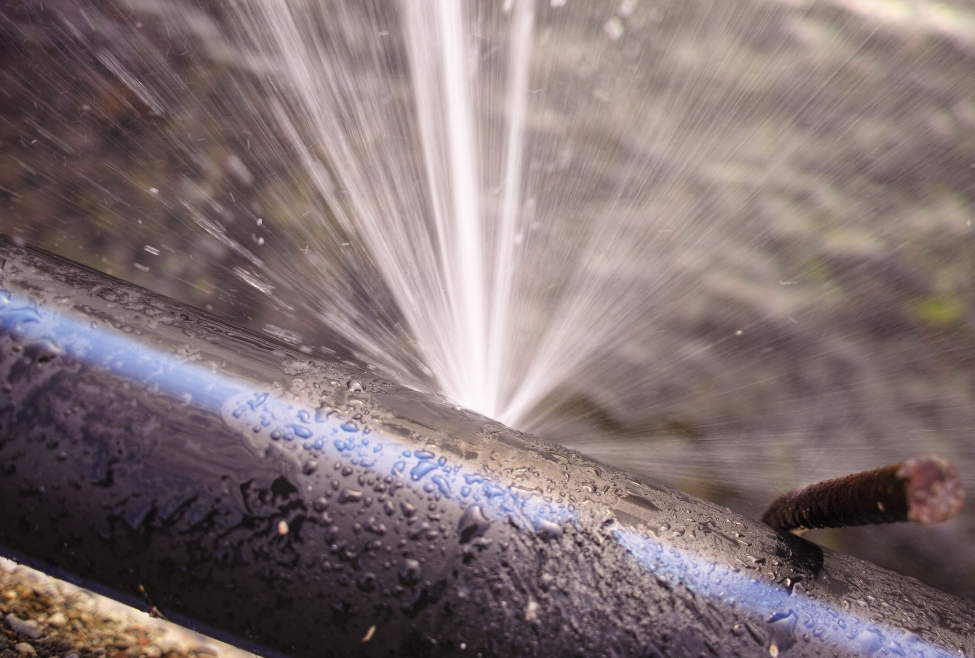
A burst pipe is one of the most stressful plumbing emergencies a homeowner can face. Many people wonder, Can I repair a burst pipe myself? While minor leaks may seem manageable, full pipe bursts require careful attention to prevent flooding, water damage, and structural problems. Understanding the causes, temporary fixes, and when to call a professional is essential for safety and efficiency.
Understanding Burst Pipes
Burst pipes can occur for several reasons:
-
Freezing temperatures causing water expansion in pipes
-
Aging plumbing that has become corroded or weakened
-
Sudden pressure changes in your water system
-
Accidental damage during renovations or home projects
Signs of a burst pipe include:
-
Water pooling or leaks in unexpected areas
-
Unexplained drops in water pressure
-
Strange banging or gurgling noises from pipes
-
Visible water damage on walls, floors, or ceilings
Recognizing these signs early can help minimize damage and make repairs easier.
Temporary Fixes You Can Attempt
If you notice a small leak or minor crack, you can take temporary measures while waiting for professional help:
-
Shut off the main water supply to prevent flooding
-
Use a pipe repair clamp or rubber patch to temporarily seal the leak
-
Apply plumber’s tape or epoxy putty on minor cracks
-
Keep buckets and towels ready to catch dripping water
These steps help control water flow temporarily, but they don’t replace a permanent repair. Attempting to fix a full burst pipe without experience can worsen damage or create safety hazards, especially if water is pressurized or near electrical wiring.
How to Safely Approach DIY Repairs
For homeowners considering a DIY approach:
- Assess the situation carefully – Determine if it’s a small leak or a full rupture.
- Turn off electricity near areas affected by water.
- Gather proper tools – pipe cutter, wrench, replacement pipe, connectors, and safety gear.
- Follow step-by-step guidance – replace only the damaged section using proper connectors.
- Check for underlying causes – frozen pipes, poor insulation, or water pressure issues can cause repeated bursts.
While some minor DIY repairs are possible, full burst pipe replacement is often safer and more reliable when handled by a professional, especially in older homes or complex plumbing systems.
Prevention Tips to Avoid Burst Pipes
Even if you handle a temporary fix, prevention is key:
-
Insulate exposed pipes in basements, crawl spaces, and attics
-
Maintain consistent home temperatures during cold months
-
Regularly inspect plumbing for signs of corrosion or leaks
-
Install a pressure regulator to prevent pipe stress
-
Know your main water shut-off valve for emergencies
These steps help reduce the risk of repeated bursts and protect your plumbing in Salt Lake City, Sandy, Ogden, Layton, Draper, and Bountiful, UT.
When to Call a Professional
While temporary or minor fixes are sometimes manageable, certain situations demand professional intervention:
-
Full pipe bursts with major water flow
-
Frozen pipes that require thawing
-
Plumbing near electrical wiring or structural elements
-
Repeated bursts or leaks in older systems
Professional services include replacing damaged pipe sections, emergency leak response, frozen pipe thawing, and water damage assessment. Acting quickly helps prevent mold growth, structural damage, and repeated leaks.
If you have a burst pipe or suspect a serious leak, contact Neighborhood Plumbing for expert guidance and professional burst pipe repair services. Acting quickly can save your home from extensive water damage.
FAQs
Does homeowners insurance cover a burst pipe?
Many homeowners insurance policies do cover damage caused by a sudden burst pipe, but coverage often depends on whether the pipe failure was sudden or due to neglect. Gradual leaks from old pipes may not be covered, so it’s important to review your policy and document any water damage immediately.
How much should it cost to fix a burst pipe?
The cost to repair a burst pipe varies depending on the pipe type, location, and extent of water damage. Minor repairs may cost a few hundred dollars, while extensive pipe replacement or hidden water damage can run much higher. A professional plumber can provide an accurate estimate after inspecting the situation.
What to do immediately after a pipe bursts?
First, turn off the main water supply to prevent further flooding. Next, open faucets to drain remaining water, and move furniture or valuables away from the affected area. Use towels or buckets to contain water temporarily. Calling a licensed plumber quickly ensures the burst pipe is repaired safely and prevents long-term water damage.
Does Flex Seal really stop water leaks?
Flex Seal and similar sealants may work as a temporary fix for small leaks, but they are not a permanent solution for burst pipes. Relying on sealants for a major leak can lead to extensive water damage. Professional pipe repair or replacement is the safest long-term solution.
How long does it take a plumber to fix a burst pipe?
Repair time depends on the pipe’s location, accessibility, and damage severity. Minor exposed pipe repairs may take an hour or two, while hidden or extensive pipe damage could take several hours. A professional assessment ensures the repair is done correctly the first time, reducing the risk of recurring leaks.