A Guide to Burst Pipe Prevention and Repair
A burst pipe can cause sudden water damage, disrupt your home, and lead to expensive repairs if not handled quickly. So, what causes a pipe to burst? The answer isn’t just one issue—it’s often a combination of pressure, temperature, age, and maintenance.
At Neighborhood Plumbing, we’ve seen how small warning signs can turn into major plumbing emergencies. The goal of this guide is to help you understand the real causes, how to spot problems early, and what you can realistically do to prevent a burst pipe before it happens.
The Most Common Causes of Burst Pipes
Understanding the root cause is key to preventing future problems. Here are the most frequent reasons pipes fail:
Freezing and Expanding Water
When temperatures drop, water inside pipes can freeze and expand. This expansion creates extreme internal pressure. Eventually, the pipe can no longer handle it and cracks or bursts—often after the ice thaws and water starts flowing again.
High Water Pressure
Consistently high water pressure might feel nice, but it puts stress on your plumbing system. Over time, that pressure weakens pipe joints and walls, increasing the risk of leaks or sudden failure.
Corrosion and Pipe Deterioration
Older plumbing systems are especially vulnerable. Corrosion slowly eats away at pipe walls, making them thinner and weaker. Eventually, even normal water pressure can cause a rupture.
Clogs That Build Pressure
A severe blockage—caused by grease, debris, or buildup—can trap water in a section of pipe. That trapped pressure has nowhere to go, which can result in a burst. This is why routine drain cleaning services matter more than most homeowners realize.
Tree Root Intrusion
Underground pipes are often affected by tree roots seeking moisture. Roots can crack pipes, grow inside them, and eventually cause full blockages or structural failure requiring sewer line repair.
Shifting Soil or Structural Movement
Ground movement from weather, erosion, or construction can shift pipes out of alignment. This stress can weaken connections and eventually cause breaks.
Less Obvious Causes Most Homeowners Miss
Beyond the common causes, there are a few overlooked issues that often contribute to pipe failure:
- Poor installation or cheap materials that degrade faster
- Temperature fluctuations (not just freezing) that cause expansion and contraction
- Water hammer (loud banging in pipes), which creates shockwaves through your plumbing
- Unnoticed small leaks that slowly weaken pipe integrity over time
These issues tend to build gradually, which is why regular plumbing inspections can make a big difference.
Warning Signs a Pipe May Burst Soon
Pipes rarely fail without warning. Catching these early signs can help you avoid a full burst pipe repair situation:
- Sudden drops in water pressure
- Rust-colored or cloudy water
- Unusual noises like banging or rattling
- Damp spots on walls, ceilings, or floors
- Unexpected increases in your water bill
If you notice any of these, it’s often a sign that pressure or damage is building inside your plumbing system.
What Actually Happens When a Pipe Bursts?
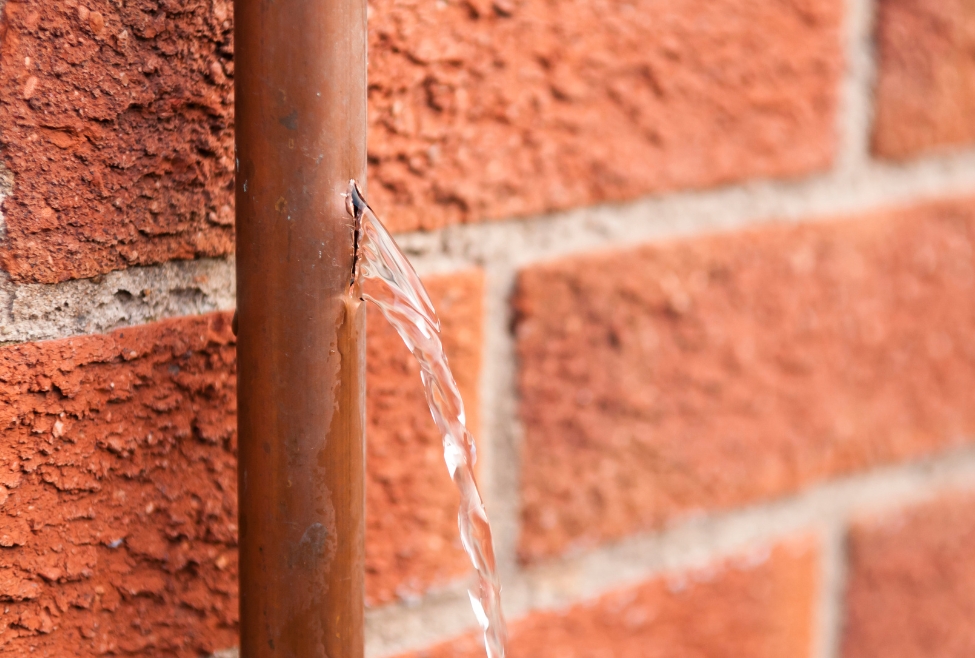
When a pipe bursts, it’s usually because internal pressure exceeds what the pipe can handle. This can happen suddenly or after gradual weakening. Once the pipe fails, water escapes rapidly, which can:
- Damage drywall, flooring, and insulation
- Lead to mold growth within 24–48 hours
- Compromise structural elements of your home
- Increase repair costs significantly if not addressed quickly
This is why fast action—and understanding the cause—is critical.
What to Do Immediately If a Pipe Bursts
If you’re dealing with an active burst pipe, here’s what to do right away:
- Shut off your main water supply
- Turn off electricity near affected areas if needed
- Open faucets to relieve pressure and drain remaining water
- Remove valuables and dry affected areas as quickly as possible
- Document damage for insurance purposes
After that, professional emergency plumbing repair ensures the issue is properly fixed and won’t happen again.
How to Prevent Burst Pipes (Practical Tips That Actually Work)
Preventing a burst pipe is often about consistency, not complexity. Here’s what helps most:
- Insulate exposed pipes, especially in colder areas
- Keep indoor temperatures stable during winter
- Monitor and regulate water pressure
- Avoid flushing or draining debris, grease, or non-flushable items
- Address minor leaks early before they worsen
- Schedule periodic pipe inspection services
These simple steps can significantly reduce your risk of major plumbing issues.
When DIY Isn’t Enough
It’s tempting to try quick fixes, but many of the root causes behind what causes a pipe to burst aren’t visible without proper tools. Issues like internal corrosion, hidden leaks, or underground damage require professional diagnosis.
Neighborhood Plumbing approaches these problems by identifying the cause first—not just fixing the symptom. Whether it’s pressure issues, aging pipes, or hidden damage, solving the root problem helps prevent repeat failures.
We provide expert guidance and burst pipe repair services in Salt Lake City, Sandy, Ogden, Layton, Bountiful, and Draper, UT.
Understanding What Causes a Pipe to Burst
So, what causes a pipe to burst? In most cases, it’s not just one issue—it’s a combination of pressure, wear, temperature, and time. The good news is that many of these problems are preventable with the right awareness and maintenance.
By recognizing early warning signs and taking proactive steps, you can protect your home, avoid costly repairs, and keep your plumbing system running reliably for years to come.
If you’re noticing warning signs or want peace of mind, Neighborhood Plumbing can help with expert leak detection, pipe inspections, and burst pipe repair to keep your home protected.
FAQs
What happens when you have a burst pipe?
When a pipe bursts, water can rapidly escape into walls, ceilings, or floors, leading to immediate water damage, soaked insulation, and potential mold growth within 24–48 hours. You may notice flooding, reduced water pressure, or unusual noises in your plumbing system. In many cases, emergency plumbing repair is needed to stop the leak and prevent further structural damage.
Can I fix a burst pipe myself?
A temporary fix—like using a pipe clamp, epoxy, or shutting off the water—can help reduce damage. However, a permanent burst pipe repair typically requires professional tools and expertise. Issues like internal pressure, corrosion, or hidden damage often go beyond a simple DIY solution, and improper repairs can lead to recurring leaks.
How do you know if a pipe is about to burst?
Pipes often show warning signs before failure. Look for low water pressure, discolored or rusty water, banging or rattling noises (water hammer), visible leaks, or unexplained increases in your water bill. These symptoms may indicate internal stress, corrosion, or blockage—common causes behind what causes a pipe to burst.
Is it expensive to fix a burst pipe?
The cost of burst pipe repair can vary depending on the severity of the damage, location of the pipe, and how quickly the issue is addressed. Minor repairs may cost a few hundred dollars, while major water damage restoration and pipe replacement can cost significantly more. Acting quickly can greatly reduce overall repair costs.
How serious is a burst water pipe?
A burst water pipe is considered a plumbing emergency. Beyond immediate flooding, it can lead to structural damage, electrical hazards, mold growth, and long-term issues if not addressed quickly. Fast response and proper leak detection and repair are critical to protecting your home and minimizing damage.
If you’re dealing with signs of pipe damage or a sudden leak, Neighborhood Plumbing provides expert burst pipe repair, leak detection, and emergency plumbing services to help protect your home and restore your plumbing system quickly.