Choosing the Best Hot Water Heater
If you’re trying to decide what is the best hot water heater to buy, the honest answer is: it depends on your home, your usage, and what you value most—cost, efficiency, or long-term reliability. There isn’t a one-size-fits-all option, but there is a best choice for your specific situation.
At Neighborhood Plumbing, we’ve worked with homeowners who regret buying the cheapest unit—and others who overspent on features they didn’t need. This guide focuses on helping you make a smart, informed decision based on real-world performance, not just product specs.
Start Here: What Do You Actually Need?
Before comparing models, it helps to define your priorities. Ask yourself:
- How many people live in your home?
- Do you often run multiple hot water fixtures at once?
- Are you more focused on upfront cost or long-term savings?
- Do you plan to stay in your home long-term?
Your answers shape which system will perform best for you.
Tank vs. Tankless: The Decision Most People Care About
Traditional Tank Water Heaters
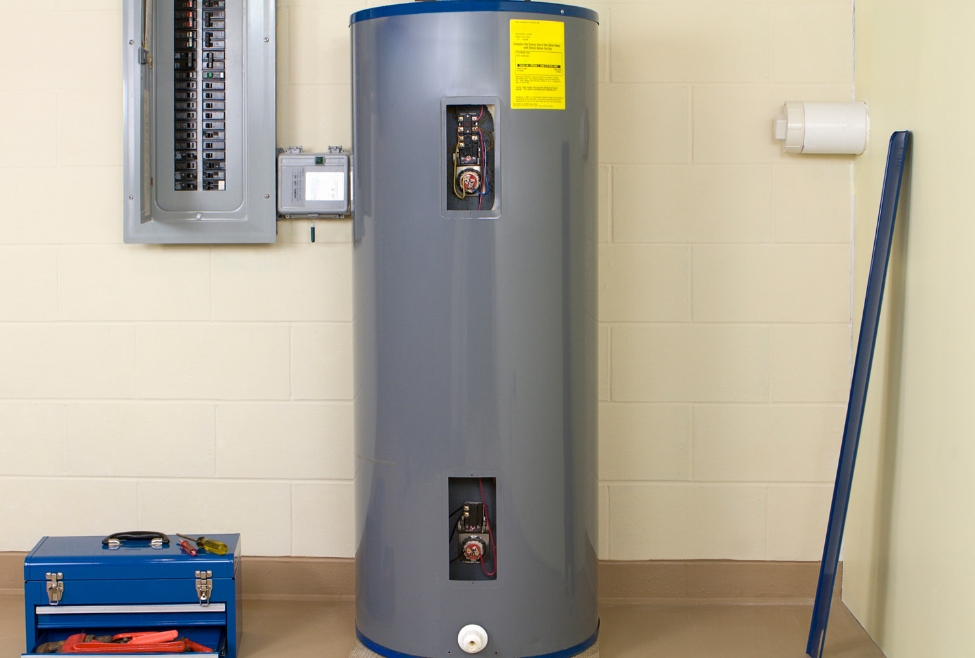
These are the most common systems and store hot water in a tank.
Why people choose them:
- Lower upfront cost
- Simpler installation
- Reliable for moderate usage
Where they fall short:
- Can run out of hot water
- Shorter lifespan (typically 8–12 years)
- Less energy-efficient over time
Tankless Water Heaters
These systems heat water on demand instead of storing it.
Why people choose them:
- Endless hot water
- Longer lifespan (15–20+ years)
- Higher energy efficiency
Where they fall short:
- Higher upfront cost
- May require electrical or gas upgrades
- Performance depends on proper sizing
If you want affordability and simplicity, a tank system works well. If you want long-term efficiency and consistent hot water, tankless is often the better investment.
A Simple Sizing Guide (This Matters More Than Brand)
One of the most common issues we see at Neighborhood Plumbing is incorrect sizing—not bad equipment.
- 1–2 people: 30–40 gallon tank or small tankless system
- 2–4 people: 40–50 gallon tank or mid-size tankless
- 4+ people: 50–80 gallon tank or whole-home tankless
If your system is too small, you’ll deal with running out of hot water, which is one of the top complaints homeowners have.
What Actually Makes a Water Heater “The Best”?
When people ask what is the best hot water heater to buy, they’re usually thinking about brand—but performance depends more on these factors:
1. Consistent Hot Water Delivery
A good system should meet your peak demand—like showers, laundry, and dishes running at the same time.
2. Energy Efficiency
More efficient systems cost less to operate over time. Tankless and hybrid systems usually perform better here.
3. Longevity
A longer-lasting system reduces how often you’ll need water heater replacement.
4. Maintenance Requirements
All systems need maintenance, but some require more frequent attention. Skipping maintenance often leads to water heater repair issues earlier than expected.
Common Problems That Influence Your Decision
Knowing typical issues can help you choose a system that avoids them:
- No hot water or inconsistent temperature → Often due to undersized or aging systems
- Strange noises (popping or rumbling) → Sediment buildup inside tank units
- Rusty or discolored water → Internal corrosion
- Rising energy bills → Inefficient or aging equipment
These problems are often why homeowners start researching new systems in the first place.
Cost vs. Value: What Most People Get Wrong
It’s easy to focus only on upfront price, but that doesn’t tell the full story:
- Tank systems cost less upfront but may need replacement sooner
- Tankless systems cost more upfront but last longer and use less energy
Over time, the “best” option is usually the one that balances upfront cost with long-term savings and reliability.
When It’s Worth Upgrading Instead of Repairing
If your current system is over 10–12 years old and experiencing multiple issues, replacement is often the better choice. Repeated water heater repair services can add up quickly and still leave you with an unreliable system.
On the other hand, newer systems with minor issues are usually worth repairing.
Real-World Insight: What Homeowners Tend to Choose
From what we see at Neighborhood Plumbing:
- Homeowners planning to stay long-term often choose tankless for efficiency and lifespan
- Those needing a quick, budget-friendly solution typically go with a tank system
- Larger households prioritize performance over cost
There’s no universal “best,” but there is a best fit based on your priorities.
How to Get the Most Life Out of Your Water Heater
No matter which system you choose, these steps help maximize performance:
- Flush tank systems annually to reduce sediment
- Install a water softener if you have hard water
- Monitor water pressure to prevent stress on components
- Schedule occasional plumbing inspections
These small steps can significantly extend lifespan and reduce unexpected issues.
Neighborhood Plumbing supports homeowners with water heater solutions in Salt Lake City, Sandy, Ogden, Layton, Bountiful, and Draper, UT.
What Is the Best Hot Water Heater to Buy?
So, what is the best hot water heater to buy? The best choice isn’t about picking the most expensive or most popular option—it’s about choosing the system that matches your home’s demand, your budget, and your long-term plans.
When you focus on sizing, efficiency, and reliability instead of just brand names, you’re far more likely to end up with a system that performs well for years.
If you’re weighing your options or want a second opinion, Neighborhood Plumbing provides expert guidance on water heater installation, system sizing, and performance so you can choose the right solution with confidence.
FAQs
How long do hot water heaters typically last?
Most traditional tank systems last about 8–12 years, while tankless water heaters can last 15–20+ years with proper maintenance. Lifespan depends on factors like water quality, sediment buildup, and routine care. Regular flushing and inspections can help extend performance and delay the need for water heater replacement.
What is a normal size hot water heater for a house?
The right size depends on household demand. A 30–40 gallon tank works for 1–2 people, 40–50 gallons for 2–4 people, and 50–80 gallons for larger households. Choosing the correct size helps prevent running out of hot water, improves efficiency, and reduces strain on the system.
What water heater brand lasts the longest?
Longevity often depends more on installation quality and maintenance than brand alone. That said, well-known manufacturers like Rheem, A.O. Smith, and Bradford White are commonly recognized for durability and reliability. Proper setup and regular water heater maintenance play a bigger role in how long any system lasts.
What is the average cost of a good water heater?
The cost varies depending on the type and size. Traditional tank water heaters typically range from $800 to $2,500 installed, while tankless systems can range from $2,500 to $5,000 or more. Factors like installation complexity, energy efficiency, and system upgrades can affect total cost. Investing in a quality system often reduces long-term repair and energy costs.
Is it worth fixing a 10 year old water heater?
In many cases, repairing a 10-year-old system is only a short-term solution. At that age, components are more likely to fail, and efficiency is usually lower. If repairs are frequent or costly, replacement is often the better long-term investment—especially to avoid sudden breakdowns or leaks.
If you’re deciding between repair or replacement, Neighborhood Plumbing provides expert water heater repair, inspection, and installation guidance to help you choose the most reliable and cost-effective option for your home.