Understanding Low Water Pressure in Your Home
Low water pressure can be frustrating, whether your showers feel weak, your sink takes forever to fill, or your irrigation system struggles to operate. Many homeowners ask, how to increase water pressure in home, and the answer often depends on identifying the root cause. At Neighborhood Plumbing, we’ve helped homeowners in Salt Lake City, Sandy, Ogden, Layton, Bountiful, and Kaysville troubleshoot and improve water pressure safely and effectively.
Why Water Pressure Drops
Understanding why your home has low water pressure is the first step in solving it. Common causes include:
-
Mineral buildup in pipes and fixtures: Hard water can leave deposits that restrict flow.
-
Partially closed valves: Sometimes the main water supply or fixture valves aren’t fully open.
-
Leaks in the plumbing system: Even small leaks reduce overall pressure.
-
Aging or corroded pipes: Old copper or galvanized pipes naturally narrow over time.
-
Pressure regulator issues: A faulty or improperly adjusted PRV (pressure-reducing valve) can lower water flow.
Knowing the source of the problem helps determine whether a simple DIY fix is possible or if professional assistance is needed.
Practical Ways to Increase Water Pressure in Your Home
Here are some steps homeowners can take to improve water flow:
1. Inspect and Adjust Your Valves
Ensure that your main water shutoff and individual fixture valves are fully open. Often, partially closed valves are the simplest fix for low water pressure.
2. Clean Faucet Aerators and Showerheads
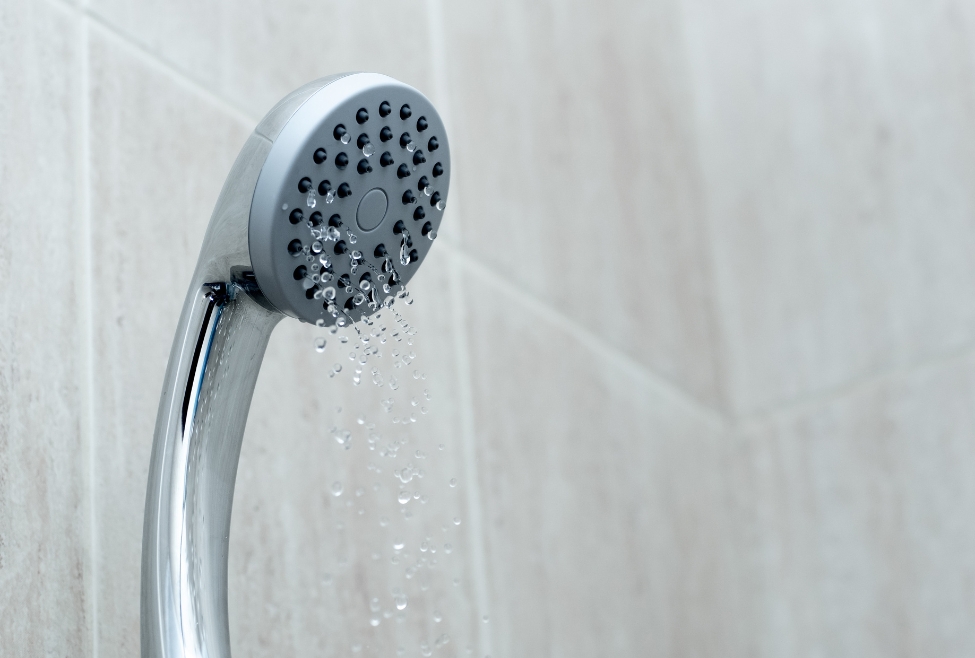
Mineral deposits can clog aerators and restrict flow. Remove and soak them in vinegar to dissolve buildup, then rinse and reinstall.
3. Check for Leaks
Hidden leaks can lower pressure throughout your plumbing system. Look for dripping faucets, damp spots on walls or ceilings, or unusually high water bills, which may indicate a leak.
4. Consider Your Pressure Regulator
Many homes have a PRV near the main water line. If it’s malfunctioning or improperly set, water pressure can drop significantly. A plumber can test and adjust or replace it as needed.
5. Upgrade Pipes or Install a Water Pressure Booster
If your home has older pipes or consistently low pressure, upgrading sections of plumbing or installing a booster pump can improve flow throughout the house.
How to Tell if Your Water Pressure is Too Low—or Too High
For a healthy plumbing system, water pressure should generally be between 45–60 PSI. You can test your home’s pressure with a gauge that screws onto a hose bib.
-
Below 40 PSI: Showers and faucets may feel weak.
-
Above 80 PSI: High pressure can damage pipes, valves, and appliances over time.
Balancing water pressure ensures both comfort and safety.
Expert Advice from Neighborhood Plumbing
While some DIY steps can help, persistent low water pressure often signals underlying issues. Neighborhood Plumbing offers guidance on diagnosing problems such as faulty PRVs, pipe corrosion, or hidden leaks. Our goal is to help homeowners understand their plumbing and maintain consistent, reliable water flow without unnecessary expenses.
By following these steps and checking for common pressure issues, you can enjoy stronger showers, faster sink fill times, and better overall water flow in your home.
Solve Your Low Water Pressure Problems Today
Maintaining strong, consistent water pressure doesn’t have to be a mystery. By following these expert tips from Neighborhood Plumbing, you can address common causes, perform simple fixes, and know when professional help is the best solution.
If you’re struggling with low water pressure in Draper, Clearfield, Syracuse, Brigham City, Farmington, or North Ogden, UT, contact Neighborhood Plumbing to schedule a consultation or pressure assessment today.
FAQs
Why is the water pressure so low in my house?
Low water pressure in a home can be caused by several factors. Common culprits include clogged pipes due to mineral buildup, a malfunctioning pressure regulator, leaks in the plumbing system, or issues with your municipal water supply. Hard water areas often see reduced flow over time as mineral deposits accumulate. If your water pressure is inconsistent, especially in multiple faucets or showers, it’s often a sign that professional inspection is needed to pinpoint the problem.
Can I increase water pressure myself?
Yes, there are a few steps homeowners can take to try and boost water pressure. Cleaning faucet aerators and showerheads, checking for closed valves on the main water line, and removing sediment from water heaters can help improve flow. However, if the issue stems from a pressure regulator, leaking pipes, or older plumbing, DIY solutions may only provide a temporary fix. Professional water pressure adjustment ensures long-term, safe results.
Do I need a plumber for low pressure?
In many cases, yes. A licensed plumber can diagnose hidden issues like corroded pipes, faulty pressure regulators, or partial blockages in the plumbing system. Attempting to fix these problems without experience can sometimes worsen the situation. A professional evaluation ensures that the root cause is addressed and helps prevent further damage to your home’s plumbing.
What controls water pressure in your house?
Water pressure is primarily controlled by the main water line entering your home, along with any pressure regulators installed on your system. Fixtures like faucets and showerheads can also affect perceived pressure. Over time, sediment buildup, pipe corrosion, or failing valves can disrupt proper flow, which is why regular maintenance and professional inspections are key to consistent water pressure.
How much does it cost to fix low pressure?
The cost to fix low water pressure varies depending on the underlying issue. Simple fixes like cleaning aerators or replacing small valves may cost under $100. More complex problems, such as replacing a pressure regulator, repairing leaks, or repiping sections of the home, can range from a few hundred to several thousand dollars. Accurate pricing requires a professional plumbing inspection to identify the root cause.