Understanding Frozen Sewer Lines in Cold Weather
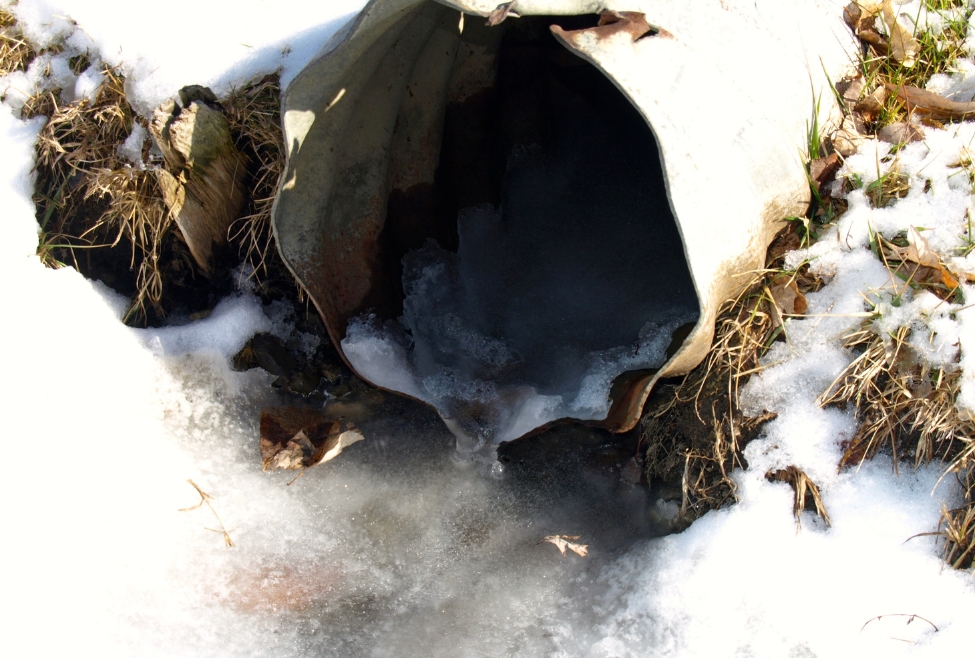
Homeowners often ask, “can sewer lines freeze?” The short answer is yes—sewer lines can freeze under the right conditions. While sewer pipes are typically buried underground, extreme cold, shallow pipe depth, poor insulation, or slow-moving waste can all increase the risk of frozen sewer lines. When temperatures drop for extended periods, sewer systems become vulnerable, especially in older homes.
Understanding how and why sewer lines freeze can help you prevent backups, pipe damage, and expensive plumbing repairs during winter.
What Causes Sewer Lines to Freeze?
Several factors contribute to frozen sewer pipes. Most issues stem from a combination of cold weather and reduced flow. Common causes include:
-
Extended freezing temperatures that penetrate the soil
-
Shallow or poorly buried sewer lines
-
Cracked or damaged pipes that allow cold air inside
-
Slow drains or partial clogs that let standing water freeze
-
Poor insulation near exterior walls or crawl spaces
When wastewater slows down, it has more time to cool and eventually freeze. Over time, this can block the entire sewer line.
For homeowners dealing with recurring drain issues, professional sewer line inspection services can identify vulnerabilities before winter sets in.
Signs Your Sewer Line May Be Frozen
Frozen sewer lines don’t always announce themselves immediately. However, there are a few warning signs you shouldn’t ignore:
-
Multiple drains backing up at once
-
Toilets that won’t flush or gurgle
-
Sewage odors inside the home
-
Water backing up into tubs or showers
-
No drainage during extremely cold weather
If you notice these issues, frozen sewer pipes may already be restricting flow. At that point, delaying repairs can increase the risk of pipe bursting or sewage damage.
What Happens If a Sewer Line Freezes?
When sewer lines freeze, pressure builds inside the pipe. Over time, that pressure can cause cracks or complete pipe failure. In severe cases, homeowners may face:
-
Burst sewer pipes
-
Sewage backups inside the home
-
Foundation or yard damage
-
Emergency plumbing repairs
That’s why frozen sewer lines are more than just an inconvenience—they’re a serious plumbing issue that requires prompt attention from experienced professionals offering emergency plumbing and sewer repair services.
How to Prevent Frozen Sewer Lines
Prevention is always more affordable than repair. To reduce the risk of frozen sewer pipes, homeowners can take a few proactive steps:
-
Keep water and waste flowing during cold snaps
-
Avoid grease buildup that slows drainage
-
Insulate exposed plumbing areas
-
Schedule routine drain cleaning before winter
-
Address slow drains early with professional drain cleaning services
Additionally, homes in colder climates benefit from routine sewer inspections to catch small issues before they freeze into major problems.
When to Call a Professional Plumber
If you suspect a frozen sewer line, DIY fixes can do more harm than good. Professional plumbers use specialized equipment to safely thaw pipes, clear blockages, and inspect sewer lines without causing damage. Services such as sewer camera inspections, sewer line repair, and drain cleaning help restore proper flow while preventing repeat issues.
Neighborhood Plumbing proudly helps homeowners throughout Salt Lake City, Sandy, Ogden, Layton, Draper, and Bountiful with reliable plumbing and sewer solutions.
Protect Your Home From Frozen Sewer Line Damage
So, can sewer lines freeze? Unfortunately, yes—but with proper maintenance and timely professional help, frozen sewer pipes are preventable. Staying ahead of winter plumbing issues protects your home, your pipes, and your peace of mind.
If you’re dealing with slow drains, sewer backups, or winter plumbing concerns, Neighborhood Plumbing is ready to help. Our experienced team provides trusted sewer line inspections, drain cleaning, and plumbing repairs to keep your system flowing—no matter the season. Contact us today!