How to Handle a Water Heater Leaking from Bottom
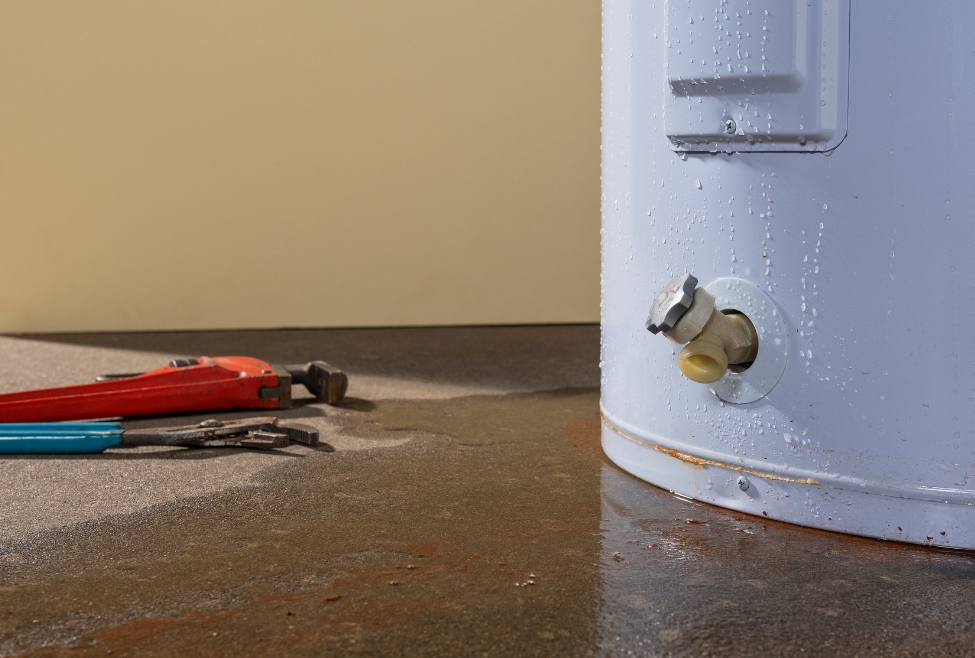
If you notice water pooling around the base of your water heater, it’s a serious warning sign that shouldn’t be ignored. A water heater leaking from bottom can cause water damage, mold growth, and even structural problems if not addressed quickly. Understanding the common causes and knowing when to call a professional can save you time, money, and stress.
Common Causes of a Water Heater Leaking from Bottom
Several issues can lead to leaks at the bottom of your water heater:
- Corrosion and Rust
Over time, mineral buildup and corrosion can eat through the tank’s metal, leading to small leaks that gradually worsen. Rusty water or a metallic taste can be early warning signs. - Faulty Drain Valve
The drain valve at the bottom of the tank can become loose or worn, especially after repeated flushing or maintenance. Even a small drip can turn into a major leak if not repaired. - Excessive Pressure or Temperature
If the water pressure or temperature is too high, the tank may develop leaks or cracks. This is often related to a failing temperature and pressure (T&P) relief valve. - Sediment Buildup
Sediment accumulates over time, especially in areas with hard water. This can cause overheating, create pressure points, and eventually lead to water heater leaking from bottom. Regular flushing helps prevent this issue.
What to Do If Your Water Heater Is Leaking
- Turn off the water supply to prevent further flooding.
- Shut off power or gas to the unit for safety.
- Check the source of the leak—sometimes it’s the drain valve, the T&P valve, or the tank itself.
- Call a professional plumber to assess whether repair or replacement is the safest option.
Attempting to continue using a leaking water heater can cause extensive damage to your flooring, walls, and nearby appliances.
Preventing Future Leaks
Routine maintenance is key to extending the life of your water heater. Services like tank flushing, pressure valve inspection, and water heater replacement can help prevent leaks before they happen. Additionally, having a licensed plumber perform water heater inspections ensures small problems don’t turn into emergencies.
Neighborhood Plumbing provides expert water heater repair, maintenance, and replacement in Salt Lake City, Sandy, Ogden, Layton, Draper, and Bountiful. Whether you’re dealing with water pooling under your heater, a leaking drain valve, or a rusty tank, our experienced team can get your hot water running safely and efficiently.
Protect Your Home Today
If your water heater is leaking from bottom, don’t wait until the problem worsens. Contact Neighborhood Plumbing for fast, professional water heater repair, maintenance, or replacement. Our licensed plumbers provide reliable solutions in Clearfield, Syracuse, Kaysville, Brigham City, Farmington, and North Ogden to keep your home safe and your hot water running efficiently.
FAQs
Can I take a shower if my water heater is leaking?
If your water heater is leaking from the bottom, it’s best to avoid using hot water until the issue is addressed. Even small leaks can indicate internal tank damage or corrosion, which could worsen with continued use. Using the heater while leaking can lead to inconsistent hot water, potential water damage, or even electrical hazards if the unit is electric. Scheduling a professional water heater inspection is the safest option.
How long will a hot water heater last once it starts leaking?
Once a water heater begins leaking, its lifespan is often significantly reduced. Most traditional tanks last 8–12 years, but a leak usually signals internal corrosion or failing components. Continuing to operate a leaking heater can lead to sudden failure, increasing the risk of flooding and costly repairs. Regular maintenance and timely evaluation of water heater issues can help determine whether repair or replacement is needed.
Does a leaking water heater mean it needs to be replaced?
A leak at the bottom of a water heater frequently indicates that the tank itself is compromised. While minor leaks from valves or fittings may be repairable, persistent water heater leaks often require full replacement. Signs like rusty water, frequent pilot outages, or base corrosion usually mean replacement is the most cost-effective long-term solution.
Is a water heater leaking from the bottom an emergency?
Yes, a water heater leaking from the bottom should be treated as an urgent issue. Leaks can lead to water damage, mold growth, and property damage. If you notice pooling water or dripping from the base of the heater, it’s important to turn off the water supply and call a licensed plumber immediately for inspection and emergency repair.
Will a leaking water heater burst?
A leaking water heater is at risk of bursting, especially if the leak stems from internal tank corrosion or pressure buildup. Burst tanks can cause extensive flooding and severe water damage. Early detection of water heater leaks, routine maintenance, and professional evaluation help prevent catastrophic failure and ensure safe operation.