The Basics of Water Softeners
If you’re asking yourself “how does a water softener work?”, you’re not alone. Many homeowners in Utah struggle with hard water issues—everything from soap scum in the shower to mineral buildup in pipes. At Neighborhood Plumbing, we often get calls from customers in Salt Lake City, Layton, Ogden, and beyond looking for long-term solutions to hard water problems. So let’s break down how water softeners work and how they protect your plumbing system and appliances.
What Is Hard Water, and Why Is It a Problem?
Hard water contains high levels of minerals—primarily calcium and magnesium—that are naturally present in Utah’s water supply. While not harmful to your health, hard water can cause:
- Mineral buildup inside pipes and appliances
- Dry skin and hair
- Spotty dishes and cloudy glassware
- Reduced water heater efficiency
These issues can lead to costly plumbing repairs and appliance replacements if left unchecked.
The Science Behind Water Softeners
So, how does a water softener work? Most traditional water softeners use a process called ion exchange. Here’s how it works:
- Water enters the softener’s mineral tank, which is filled with resin beads.
- The resin beads are charged with sodium or potassium ions.
- As hard water passes through the beads, the calcium and magnesium ions are swapped for the sodium or potassium ions.
- The now “softened” water exits the tank and flows into your home.
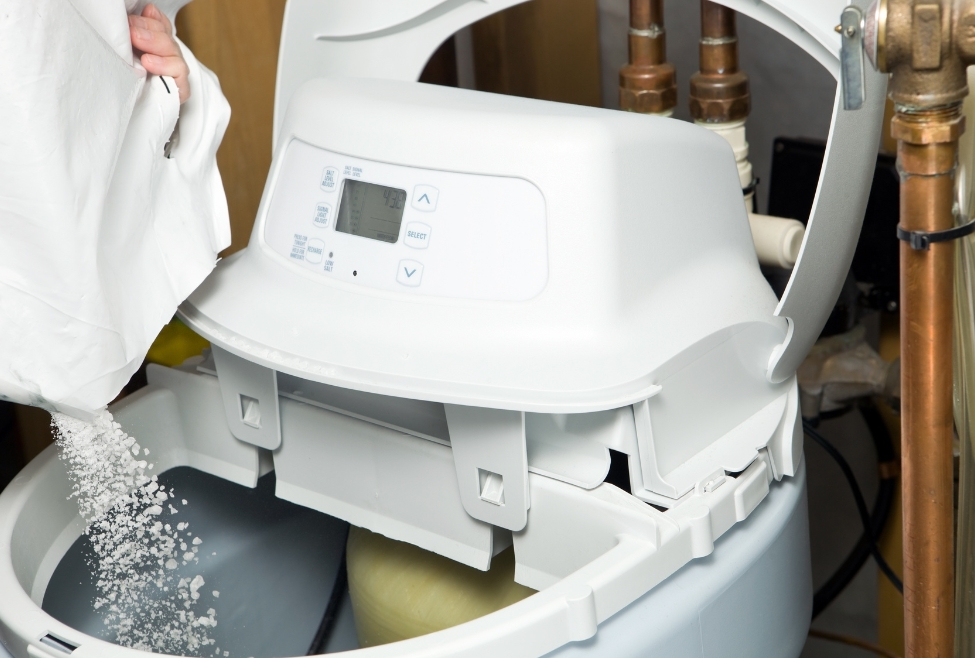
Over time, the resin beads become saturated with hardness minerals and must be regenerated. The water softener flushes the minerals away using a brine solution stored in a separate tank.
Why Soft Water Benefits Your Entire Plumbing System
Soft water helps extend the lifespan of water heaters, faucets, dishwashers, and laundry machines. By reducing scale buildup, it allows your water heater to operate more efficiently and helps reduce the frequency of clogs and drain issues. If you’re dealing with any type of pipe damage, mineral buildup, or repeated drain problems, a water softener may be part of the solution.
When to Call the Pros
If you’re unsure whether your home needs a water softener or if you’re seeing signs of hard water—like low water pressure, soap that won’t lather, or crusty white deposits around your faucets—it’s time to talk to an expert. At Neighborhood Plumbing, we provide honest recommendations and expert plumbing services across Sandy, Bountiful, Draper, Roy, South Ogden, and other northern Utah communities.
Don’t Ignore the Signs of Hard Water
A water softener is one of the best investments you can make for your plumbing system. If you live in Farmington, Kaysville, Clearfield, or North Salt Lake, chances are your water could use some softening. We can test your water, recommend the right unit, and handle the installation and ongoing maintenance so you don’t have to worry about mineral buildup or appliance wear.
Call Neighborhood Plumbing Today
If you’re tired of dealing with dry skin, scale-covered fixtures, or water heater inefficiency, let Neighborhood Plumbing help. We offer professional water softener installation and plumbing services throughout Clearfield, Syracuse, Brigham City, North Ogden, Clinton, Woods Cross, and nearby areas.
Call us now or schedule service online — and enjoy the benefits of soft water in your home today.
FAQs
What are the disadvantages of a water softener?
While water softeners are great for reducing hard water problems, they do come with a few downsides. The most common concern is the added sodium in softened water, which can be a consideration for those on low-sodium diets. Additionally, a salt-based water softener requires regular maintenance and salt refills. Some systems also increase water usage during regeneration. Despite these factors, many homeowners find the benefits—like longer appliance life and fewer plumbing issues—far outweigh the drawbacks.
Where does the salt from a water softener go?
The salt used in a water softener ends up in the brine solution during the regeneration cycle. This solution flushes the hardness minerals—mainly calcium and magnesium—out of the resin tank and down the drain. If you’re wondering where that salt goes after that, it’s disposed of through your wastewater system. It’s important to use the right type of salt and monitor levels to keep your system running efficiently.
Why does soft water feel slimy?
Many people describe soft water as feeling “slippery” or “slimy” during showers or handwashing. This sensation happens because soft water doesn’t contain the calcium and magnesium that react with soap to form residue. As a result, soap rinses off more thoroughly, allowing your skin’s natural oils to remain—creating that smooth feeling. It’s actually a sign your water softener is doing its job properly.
How often should I add salt to a water softener?
The frequency of adding salt depends on your water usage and the size of your system. On average, most households need to refill the brine tank about once every 6 to 8 weeks. It’s a good idea to check the salt levels at least once a month. If your salt level is too low, the softener can’t effectively remove hard water minerals, leading to buildup in pipes and appliances.
How much does a water softener cost?
The cost of a water softener can vary depending on the type, size, and features of the system. Basic models may start around $500, while high-efficiency or dual-tank systems can run up to $3,000 or more with installation. Long-term, water softeners can help you save money by reducing plumbing repairs, extending appliance life, and lowering soap and detergent usage.
Still have questions or thinking about installing a water softener in your home? Neighborhood Plumbing is here to help you enjoy better water quality and protect your home from the damaging effects of hard water. Learn more about our plumbing services by scheduling a service with one of our licensed technicians today.