Understanding Backflow Testing
Backflow isn’t just a plumbing problem—it’s a health risk. That’s why understanding what is backflow testing is crucial for homeowners and businesses alike. At Neighborhood Plumbing, we specialize in protecting your water supply from contamination with reliable backflow testing and prevention services across Salt Lake City, Sandy, Ogden, Layton, Draper, and Bountiful.
What Is Backflow Testing?
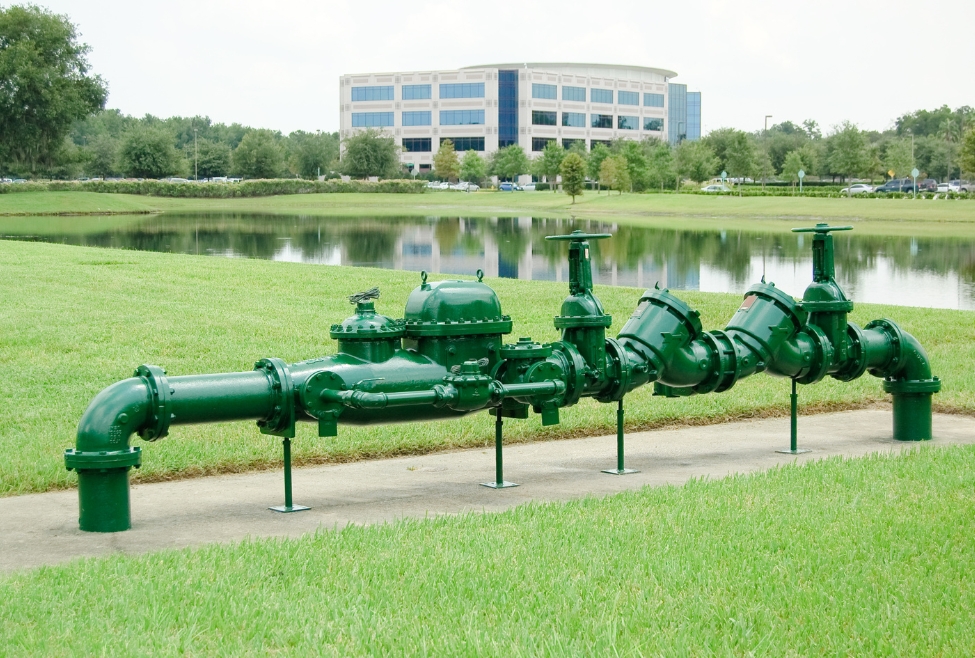
Backflow testing is a process used to ensure your backflow prevention device is working properly. This device keeps contaminated water—like from irrigation systems, pools, or industrial plumbing—from flowing back into your clean water supply. If your system loses water pressure or a valve fails, dangerous water can reverse direction, carrying bacteria, pesticides, and chemicals into your home’s drinking water.
Our licensed plumbers perform backflow testing by evaluating pressure levels, inspecting valves, and verifying your device complies with local health codes. In many cities, annual testing is legally required—especially for commercial buildings or properties with irrigation systems.
Why Backflow Testing Matters
Backflow testing isn’t just about plumbing compliance—it’s about health protection. Contaminated water can contain:
- Fecal matter from sewer backups
- Fertilizer or pesticides from lawn irrigation systems
- Chemicals from industrial facilities
Backflow prevention protects your family’s drinking water and ensures your plumbing system is up to code.
Signs You May Have a Backflow Problem
If you notice any of these issues, schedule a professional inspection:
- Discolored or foul-smelling water
- Water with a strange taste
- Sudden drop in water pressure
- Visible debris in your tap water
These are potential red flags that your system is compromised. Our team at Neighborhood Plumbing provides expert plumbing inspections and repairs to quickly identify and fix these concerns.
Who Needs Backflow Testing?
You may be required to schedule annual backflow testing if:
- You have a sprinkler system
- You run a restaurant or commercial kitchen
- Your property has a fire suppression system
- You have a boiler or industrial equipment connected to your water supply
Not sure whether your property qualifies? We can help assess your plumbing and offer backflow testing and certification to keep you compliant with local regulations.
What Happens During a Backflow Test?
Our certified plumbers will:
- Shut off water flow and inspect the backflow prevention assembly
- Use test gauges to check internal valve performance
- Measure pressure levels to ensure no reverse flow
- Submit documentation to your local water authority (if required)
We handle everything from the test to the paperwork, so you don’t have to worry.
Trust the Local Experts
With over 10 years of experience, Neighborhood Plumbing is a trusted name for professional plumbing services in Utah. Whether you need a one-time backflow test or ongoing maintenance, we’ve got your back. We proudly serve Clearfield, Syracuse, Kaysville, Brigham City, Farmington, and North Ogden.
Call Neighborhood Plumbing for Backflow Testing Services
Backflow prevention is essential—and so is choosing the right plumber. At Neighborhood Plumbing, we make sure your home’s water supply stays clean, safe, and code-compliant. From annual inspections to full system replacements, we offer fast, reliable, and affordable service.
Schedule your backflow test today or call us to learn more about how we can help protect your water system.
FAQs
How often should you do backflow testing?
In most cases, backflow prevention devices should be tested annually to comply with local plumbing codes and water safety regulations. Annual backflow testing ensures your water supply remains free from contaminants like pesticides, sewage, or harmful chemicals. Many cities and water departments require proof of testing each year, especially for properties with irrigation systems or commercial plumbing connections.
Do all plumbers do backflow testing?
Not all plumbers are certified to perform backflow testing services. Backflow testing requires specialized training and a valid certification. When you need testing or backflow preventer repair, make sure to choose a licensed plumber who’s certified in backflow prevention. At Neighborhood Plumbing, our technicians are fully qualified and equipped for both residential and commercial backflow inspections.
What happens if your backflow test fails?
If your backflow test fails, it typically means that your backflow prevention device is malfunctioning or worn out. This could lead to contaminated water flowing into your home or business’s clean water supply, creating a serious health hazard. Immediate repair or backflow preventer replacement will be needed to bring the system back into compliance and protect your potable water. You may also need to notify your local water authority, depending on regulations.
How do you prepare for backflow testing?
To prepare for professional backflow testing, make sure the area around your backflow device is accessible and free from debris. If it’s part of your sprinkler system, ensure it’s not running during the inspection. Also, inform your household or building occupants, as there may be a brief water shut-off during the process. A certified plumber will handle the rest, including shutting valves, performing pressure tests, and completing the required documentation.
Is backflow testing necessary?
Yes, backflow testing is absolutely necessary for any plumbing system that uses a backflow prevention device. Without routine testing, there’s no way to know if the device is working properly — and a failure could result in contaminated water entering your home. Regular backflow inspections are essential for protecting drinking water, staying compliant with local regulations, and avoiding costly plumbing issues down the line.
If you’re in Clinton, Roy, South Ogden, North Salt Lake, Woods Cross, or Centerville, and need reliable backflow testing or repair, schedule service with Neighborhood Plumbing today. We’re here to help you keep your water safe and your system compliant.